Expert Hardscaping Contractors Serving Hillsborough Township Combining Functional Design with Durable Materials
Transform Your Outside Environment Using Quality Landscaping Services: From Landscape Design to Hardscape Features
Revitalizing an outdoor space demands a strategic approach to both landscape design and hardscape solutions. Specialists in this field understand the complexities of combining aesthetic appeal with functionality. By incorporating elements like strategic plant selection and durable materials, they create environments that serve different purposes. This transformation not only improves property value but also elevates the overall experience of outdoor living. Discover what makes these services vital for any homeowner looking to upgrade their surroundings.
The Significance of Professional Landscape Design
Although numerous homeowners tend to underestimate the effect of professional landscape design, it performs a vital role in enhancing both the aesthetic appeal and functionality of outdoor spaces. By engaging skilled designers, homeowners can create outdoor environments that represent their personal style while maximizing the utility of their property. Professional landscape design includes elements such as plant selection, layout, and seasonal considerations, guaranteeing that the outdoor space remains lively and usable throughout the year.
Furthermore, carefully designed landscapes can boost property value and create inviting atmospheres for get-togethers, recreation, and relaxation. Designers examine factors such as sunlight, soil quality, and climate to formulate sustainable solutions that flourish in specific conditions. By incorporating natural features and architectural elements, professional landscape design transforms ordinary yards into cohesive, balanced spaces that enrich the overall experience of homeownership. Ultimately, investing in professional landscape design delivers a variety of benefits that extend beyond mere visual appeal.
Core Features of Hardscape Projects
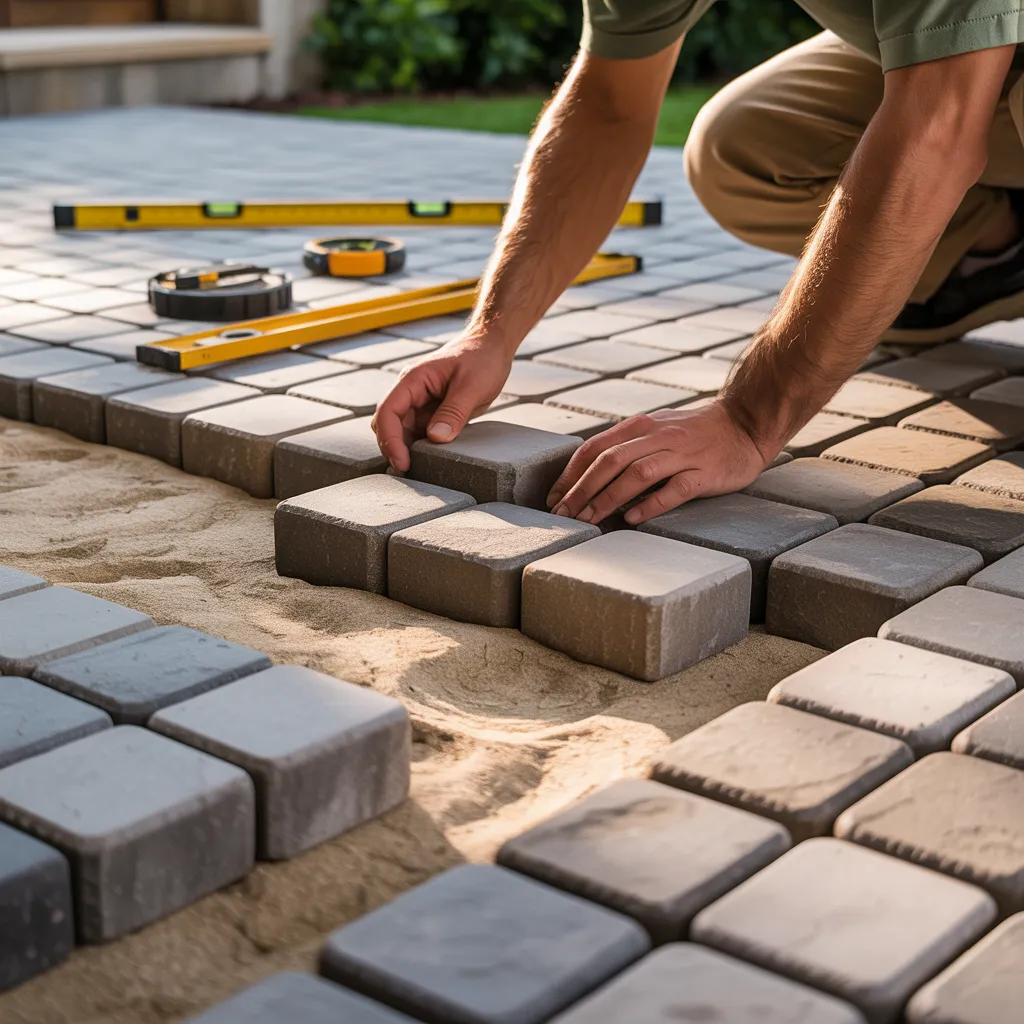
Hardscape features constitute the essential framework of thoughtfully planned exterior spaces, delivering organization and utility combined with natural aspects. Key components include patios, walkways, retaining walls, and outdoor kitchens, all of which enhance usability while adding visual appeal. Patio areas function as social hubs, providing opportunities for relaxation and hosting, whereas pathways direct guests throughout the property, establishing clear routes. Support walls both control earth displacement and establish multi-level planting areas, bringing dimensional interest to the layout. Furthermore, options including stone, brick, and paving materials provide longevity and design diversity, enabling property owners to personalize their exterior environments. Integrating details like fire elements and aquatic features can also elevate the mood and generate points of interest. Overall, well-planned hardscape solutions contribute to the functionality and beauty of outdoor spaces, ensuring they are both practical and visually engaging.
Establishing a Working Outdoor Living Space
To develop a functional outdoor living space, careful planning and thoughtful design are essential. Homeowners should commence by examining their available zone, considering factors such as proportions, layout, and established components. Determining a clear purpose for the space—whether for dining, entertaining, or relaxation—shapes the layout and furnishings. Adding distinct zones, such as seating areas, cooking stations, and play spaces, improves utility and traffic patterns.
Furthermore, choosing durable materials for furniture and surfaces is essential, ensuring longevity against weather elements. Appropriate lighting can transform the atmosphere, providing both safety and ambiance after sunset. Furthermore, integrating elements like fire pits or outdoor kitchens adds functionality and encourages year-round use. Careful design should also include pathways and access points, ensuring ease of movement throughout the space. By balancing aesthetics with practicality, homeowners can create an inviting outdoor environment suited to their lifestyle and needs.
Picking the Right Plants for Your Regional Weather
Picking the right plants for a given climate is essential for a thriving outdoor landscape, as it ensures both health and sustainability. Various climates, whether arid, temperate, or tropical, present specific challenges and opportunities for plant selection. Native plants frequently perform best, review as they have adapted to local conditions and require less maintenance. For example, drought-resistant succulents are ideal for dry regions, while vibrant flowering plants may flourish in more humid environments.
Furthermore, recognizing seasonal variations, such as frost dates and rainfall patterns, can aid homeowners pick plants that will thrive throughout the year. Working with local gardening resources or landscape professionals can supply valuable insights into the best species for a certain area. Finally, choosing climate-appropriate plants not only elevates the aesthetic appeal of the outdoor space but also supports biodiversity and environmental health, supporting a sustainable landscape design.
Maintenance Strategies for a Stunning Landscape
A well-designed landscape requires ongoing care to maintain its beauty and health, regardless of the plants chosen for the specific climate. Routine care is crucial for sustaining the decorative and operational qualities of any landscape setting. This encompasses regular activities like turf management, clipping, and faded flower elimination to maintain plant health and visual appeal. In addition, suitable watering strategies should be implemented, accounting for weather variations and vegetation requirements to prevent over or under-watering.
Using mulch can preserve soil moisture and reduce weed growth, creating a more visually appealing outdoor space. Applying fertilizer at proper intervals supplies necessary nutrients, while managing pests and diseases ensures plants stay healthy and strong. Seasonal maintenance tasks like leaf removal and debris cleanup elevate the landscape's visual appeal and forestall potential complications. By implementing these care practices, property owners can appreciate a healthy outdoor environment that stays attractive all year.
Your Questions Answered
What Is the Expected Duration of a Typical Landscaping Project?
A standard landscaping project can span anywhere from just a few days up to several weeks, contingent upon the project scope, design complexity, and weather conditions, ensuring a complete and satisfying completion for the client.
What Is the Expected Cost of Professional Landscaping Solutions?
The typical cost of professional landscaping services differ considerably, usually ranging from $1,500 to $5,000 for fundamental projects. Factors influencing price include project complexity, material selection, and local labor rates, influencing overall expenses considerably.
Are Landscaping Services Available Year-Round or Seasonally?
Year-round, landscaping services are generally available, while certain offerings might be influenced by seasonal factors. Several companies tailor their services to seasonal changes, offering maintenance, design, and installation that meet the requirements of each time of year.
Do Landscaping Firms Offer Work Warranties?
A lot of landscaping companies offer warranties on their work, providing quality and customer satisfaction. The details of these warranties can differ, including length and coverage, so clients are suggested to ask for thorough information before hiring.
May I Integrate Current Features Within My New Landscape Design?
Yes, existing features can be incorporated into new landscape designs. A skilled designer evaluates current elements, making certain they blend with new features, improving complete visual appeal and practicality while reducing needless elimination or modification of existing structures.